
Stainless steel sheet is sold by thickness in millimetres, and the thickness you choose changes the strength, weight, cost and workability of the finished job. 2mm suits light fabrication and decorative work. 3mm handles industrial and structural use. 5mm behaves more like plate and is built for heavy-duty and marine environments.
This guide covers how the three compare, what standard stainless steel sheet sizes look like in Australia, where 304 and 316 differ, and how finish and processing affect what you should specify.

Quick Comparison
| Thickness | Best for | Strength | Notes |
|---|---|---|---|
| 2mm | Decorative, architectural, light-duty | Medium | Lightweight and easy to fabricate |
| 3mm | Industrial, commercial, structural | High | Stronger, suitable for welding |
| 5mm | Heavy-duty, marine, chemical | Very high | Requires specialised processing |
What Is the Standard Stainless Steel Sheet Thickness in Australia?
In Australia, stainless steel sheet thickness is measured in millimetres, not the gauge system more common in the US. Some international suppliers still reference sheet metal gauge charts, but local fabricators and buyers work in direct mm measurements. This applies to stainless steel sheet metal of any grade or finish, whether the material is destined for cladding, sheeting, panelling or equipment fabrication.
Common stainless steel sheet thicknesses include:
- 0.55mm, 0.9mm, 1.2mm and 1.5mm for light-duty applications
- 2mm and 3mm for medium-duty fabrication
- 4mm, 5mm and above for heavy-duty or structural use
Midway Metals stocks a range of stainless steel products across sheet, plate, coil, bar, tube and pipe, suited to everything from wall cladding and decorative panels to high-strength structural components.
Stainless Steel Sheet vs Stainless Steel Plate: What’s the Difference?
The terms get used interchangeably, but they describe different products.
Up to around 5mm
Stainless Steel Sheet
Stainless steel sheet is a thinner material, generally up to around 5mm. It arrives cold rolled in most thicknesses, has tighter tolerances and a smoother surface, and can be cut, bent and formed with standard fabrication equipment.
Above 5mm
Stainless Steel Plate
Stainless steel plate is thicker material, generally above 5mm and running well into heavy structural sizes. Stainless steel plate thickness is measured the same way, in millimetres, but plate is usually hot rolled, carries a rougher mill finish, and needs heavier cutting and handling equipment. Stainless plate is specified where load capacity matters more than formability or finish.
At 5mm the two categories meet. A 5mm stainless sheet sits at the boundary: too thick to form easily like thinner sheet, too thin to be treated as structural plate. That is why 5mm is often the point where a job moves from a sheet metal workshop to a plate fabricator.
The Practical Test
If you are unsure which one your drawing calls for, the practical test is whether the material needs to be formed or simply cut and welded. Forming points to sheet. Cutting and welding points to plate.
The Difference Between Stainless Sheets: 2mm vs 3mm vs 5mm
2mm Stainless Steel Sheet
Best for: Lightweight fabrication, decorative use, and architectural applications
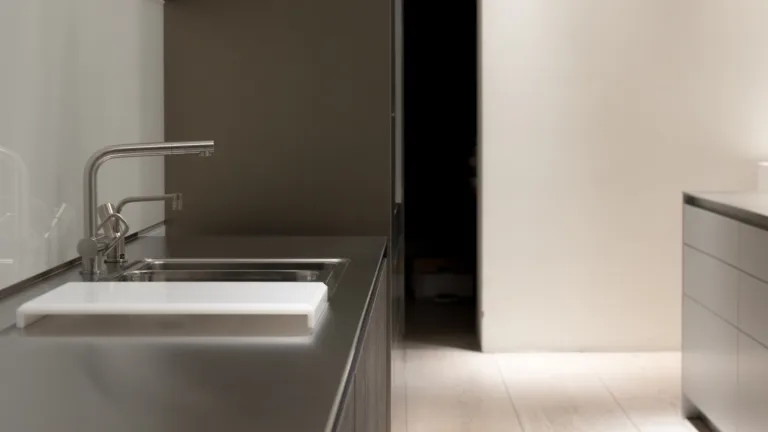
2mm stainless sheet is a middle ground for projects needing more strength than thinner material without the weight and cost of thicker stock. It is commonly used in:
- Wall panels, stainless steel panels and stainless steel sheeting for cladding
- Light-duty equipment enclosures
- Splashbacks and benches
- General food processing environments
Its smooth surface, corrosion resistance and workability make it suitable for both commercial and residential projects.
3mm Stainless Steel Sheet
Best for: Industrial equipment, kitchen fabrication, and structural applications
A 3mm stainless steel sheet offers greater strength, impact resistance and stiffness than 2mm, making it suitable for medium-duty industrial use. It performs well under stress and handles moderate wear. Common uses include:
- Food processing equipment
- Cabinetry and benchtops in commercial kitchens
- Structural framing
- Machine components and tanks
How strong is a 3mm stainless steel sheet? Strength depends on grade as well as thickness, but a 3mm sheet in 304 or 316 typically withstands more bending and deformation than thinner material. It is strong enough for welded assemblies and weight-bearing applications.
5mm Stainless Steel Sheet
Best for: Heavy-duty structural work, marine and chemical environments, and high-load equipment
At 5mm, stainless sheet behaves more like plate than flexible sheet metal. It is designed for environments where rigidity, corrosion resistance and load-bearing strength matter. Applications include:
- Marine vessels and offshore structures
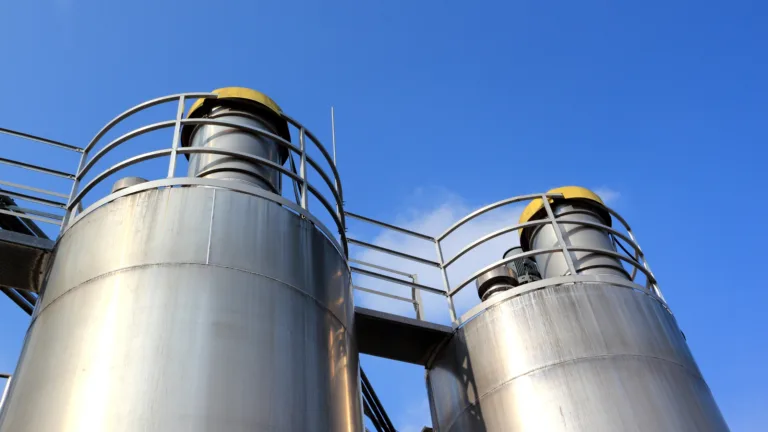
- Tanks for chemical processing
- Structural frameworks
- Heavy industrial machinery
Because of its thickness, 5mm material often needs specialised cutting and forming equipment and can increase project cost through material weight and handling.
Thinner Options: 1mm, 1.2mm and 1.5mm Stainless Steel Sheet
Not every job needs 2mm or above. Thinner stainless steel sheet is common where weight, cost or formability matter more than load capacity.
1mm
1mm stainless steel sheet suits light cladding, trim, signage and covers where the material is supported by a frame.
1.2mm
1.2mm stainless steel sheet is a common choice for benchtop facings, splashbacks and light enclosures. It forms easily and holds a clean finish.
1.5mm
1.5mm stainless steel sheet adds stiffness over 1.2mm without a large jump in weight, and is often specified for equipment panels and joinery.
Below roughly 1mm, material is usually supplied as coil rather than cut sheet, and is better suited to pressing and roll forming than hand fabrication.
Standard Stainless Steel Sheet Sizes
Stainless steel sheet is supplied in standard mill sizes rather than cut to order as a default. Common formats in the Australian market are based on imperial-derived mill dimensions converted to millimetres, which is why sheet sizes look like uneven numbers.
Buyers often search for a 2400 x 1200 stainless steel sheet, since that is the standard size familiar from plywood and plasterboard. Stainless mill sizes do not always match that format exactly, so it is worth checking the size against stock before designing around it.
Sheet is also available cut to size. Midway processes material in-house through blanking and slitting lines, so sheets can be supplied at the dimensions a job actually needs rather than trimmed on site.
The full range of stock sizes, grades and finishes is listed in the Midway Metals catalogue.
304 vs 316 Stainless Steel Sheet
Thickness sets the mechanical performance. Grade sets the corrosion performance. Both need to be specified.
304
304 stainless steel sheet is the most widely used grade in fabrication. It offers strong corrosion resistance, good formability and weldability, and lower cost than 316. It suits interior work, commercial kitchens, food processing, architectural panels and general industrial use.
316
316 stainless steel sheet contains molybdenum, which substantially improves resistance to chlorides. It is the grade to specify for marine environments, coastal installations, chemical processing and anywhere the material faces salt or aggressive cleaning chemicals.
Is 304 or 316 stainless steel stronger? In mechanical terms, the two are close, with 316 holding a slight edge. The meaningful difference is corrosion resistance, not strength. Choose on environment rather than load.
For a fuller breakdown, see the guide to 304, 316 and duplex stainless steel grades, or browse the full range of stainless steel grades.
How Processing and Finish Vary by Sheet Thickness
Thickness is only part of the specification. How the sheet is processed and finished affects performance, cost and suitability.

Cold Rolled vs Hot Rolled: Why It Matters
Cold Rolled
2mm and 3mm sheets are typically cold rolled, giving a smooth surface, tighter tolerances and consistent thickness. These suit:
- Commercial kitchens where hygiene and appearance matter
- Architectural applications such as cladding or feature panels
- Food processing equipment requiring clean, corrosion-resistant surfaces
Hot Rolled
5mm sheets are often hot rolled, especially in larger formats. They may carry a rougher mill finish but are:
- More cost-effective for industrial or structural work
- Easier to weld and cut for heavy-duty fabrication
- Common in marine, chemical and construction sectors
What Finish Should You Choose?
For a clean, polished look on visible or hygienic surfaces, 2mm or 3mm sheet with a polished finish is the right call.
For frames, platforms or tanks where appearance is not critical, 5mm with a mill finish is usually sufficient and more cost-effective.
Why It Matters
Getting thickness, grade and finish right together is what stops rework later.
How to Cut Stainless Steel Sheet
The right cutting method depends almost entirely on thickness.
- Thin sheet up to around 1.5mm can be cut with tin snips, nibblers or a guillotine. Hand tools work but tend to distort the edge, so a guillotine gives a cleaner result where the edge will be visible.
- 2mm to 3mm sheet is usually cut with a guillotine, bandsaw or plasma. A guillotine is fastest for straight cuts. Plasma handles curves and internal cut-outs.
- 5mm and above generally call for plasma cutting. Midway’s plasma facilities cut stainless steel from 2mm to 80mm thick, which covers the full sheet range and well into plate.
Two practical points regardless of method. Use tooling dedicated to stainless, because carbon steel contamination from shared blades or grinding discs causes surface rust later. And allow for heat input on thicker material, since excessive heat affects the corrosion resistance of the cut edge.
Having material cut to size before delivery avoids both problems. Midway’s processing services cover cutting, blanking, slitting and polishing.
Gauge vs Millimetres
Australia uses millimetres for sheet thickness. Gauge is an older imperial system still referenced internationally, which confuses imported drawings.
Which is thicker, 20 or 22 gauge stainless steel?
- 20 gauge stainless steel: 0.9mm
- 22 gauge stainless steel: 0.7mm
So 20 gauge is thicker than 22 gauge. The lower the gauge number, the thicker the material, which is the opposite of how mm sizing works. For precision and consistency, specify in millimetres.
What Does Stainless Steel Sheet Cost?
Stainless steel sheet prices move with several factors:
- Grade, with 316 costing more than 304 due to molybdenum content
- Thickness and size, since price is driven by weight
- Finish, with polished and mirror finishes costing more than mill finish
- Quantity ordered
- Global nickel and molybdenum prices, which shift regularly
Because raw material markets move, published prices date quickly. For current pricing on a specific grade, thickness and finish, contact Midway Metals for a quote.
Frequently Asked Questions
What thickness stainless steel sheet do I need?
Match thickness to load and application. 1mm to 1.5mm suits supported cladding, trim and light panels. 2mm suits decorative work, splashbacks and light enclosures. 3mm suits industrial equipment, benchtops and structural framing. 5mm suits heavy-duty, marine and chemical work. If the material is unsupported or carries load, move up a thickness rather than down.
Is stainless steel sheet the same as stainless steel plate?
No. Sheet is thinner material, generally up to around 5mm, usually cold rolled with a smooth finish and tight tolerances. Plate is thicker, generally above 5mm, usually hot rolled with a mill finish. The 5mm mark is where the two overlap, and material at that thickness can be described either way depending on the supplier and the application.
What is the standard size of a stainless steel sheet?
Stainless steel sheet is supplied in standard mill sizes based on imperial-derived dimensions, which is why the numbers look uneven compared to building materials. Sheet can also be supplied cut to size through blanking and slitting. Check current stock sizes against the catalogue before designing around a specific format.
Can you cut stainless steel sheet yourself?
Thin sheet up to about 1.5mm can be cut with snips, a nibbler or a guillotine. From 2mm up, a guillotine, bandsaw or plasma cutter gives a better result. Always use tooling dedicated to stainless, since carbon steel contamination from shared blades or discs causes surface rust to appear later.
Which is better for stainless steel sheet, 304 or 316?
It depends on the environment rather than the load. 304 is the standard choice for interior, commercial kitchen, food processing and general industrial work. 316 contains molybdenum and resists chlorides far better, making it the grade for marine, coastal and chemical environments.
Does thicker stainless steel sheet resist corrosion better?
No. Corrosion resistance comes from the grade, the surface finish and the environment, not the thickness. A 1.2mm 316 sheet will outperform a 5mm 304 sheet in a marine setting. Specify grade for corrosion and thickness for strength.
Need Help Specifying Stainless Steel Sheet?
Whether you are weighing 2mm against 3mm for a commercial kitchen fitout, or need 5mm stainless sheet for structural work, getting the thickness, grade, and finish right at the start saves time, costs, and rework.
Midway Metals supplies stainless steel sheet across a range of thicknesses, grades and finishes, ready to cut, process and deliver Australia-wide. Our team works with fabricators, engineers, and project managers to match materials to applications.
Need a quote or advice on a specification? Contact us to speak with the team.