
If you’re cutting steel or stainless for a fabrication project, the cutting method you choose affects the cost, the turnaround, and the quality of the finished part. Plasma vs waterjet cutting is one of the most common comparisons fabricators and project managers weigh up, and the honest answer is that neither is universally better. Each has a clear set of jobs it does well.
This guide breaks down how both methods work, where each one performs best, and how they compare on the factors that matter: thickness, tolerance, speed, cost, and edge finish. We’ll also cover where sheet metal laser cutting fits in, so you can match the right cutting solution to your project.
How Plasma Cutting Works
Plasma cutting passes an electric arc through a gas, such as oxygen, nitrogen, or compressed air, forced through a narrow nozzle at high velocity. The arc ionises the gas into plasma, the fourth state of matter, which reaches temperatures around 16,600 degrees Celsius. That heat melts through the metal while the high-velocity jet blows the molten material clear, leaving a clean cut.
Because the process relies on an electrical arc, plasma only cuts electrically conductive materials: steel, stainless steel, aluminium, copper, and brass. It can’t cut non-conductive materials like stone or glass. For metal fabrication, though, that limitation rarely matters because the materials being cut are conductive anyway.
The strengths of plasma cutting are speed and cost. On a medium to thick conductive plate, plasma cuts faster than any other method and at a lower operating cost. It handles a wide range of thicknesses on a single system, which is why it’s the workhorse of metal fabrication, structural steel, and heavy manufacturing.
Midway Metals runs Australia’s largest capacity for high-definition plasma cutting of plate, cutting stainless steel from 2mm right up to 80mm thick. High-definition systems constrict and shape the arc more precisely than conventional plasma, producing sharper, higher-quality cut edges.
What Is Waterjet Cutting Used For?
A water jet cutter forces water through a tiny nozzle at extremely high pressure. For cutting metal, an abrasive material such as garnet is mixed into the stream, and the result is powerful enough to erode through almost any material. Unlike plasma, the process generates no heat at the cut.
That cold-cutting characteristic is what waterjet is used for. Because there’s no heat-affected zone, the material’s properties aren’t altered at the cut edge, which matters for heat-sensitive metals like titanium and for applications where any thermal distortion is unacceptable. Aerospace components, multi-layer materials, and parts that need to retain their exact metallurgical properties are common waterjet jobs.
The second thing waterjet is used for is cutting materials that plasma simply can’t. A water jet cutter handles stone, glass, ceramic, composites, rubber, and foam alongside metals. For a fabricator working across mixed materials, that versatility is the main draw.
Waterjet also holds tighter tolerances than plasma and can cut very thick sections, well beyond the practical limit of a plasma torch. The trade-off is speed and cost, which we’ll come to next.
Plasma vs Waterjet Cutting: The Key Differences
The choice between the two methods comes down to a handful of practical factors. Here’s how they compare:
| Factor | Plasma Cutting | Waterjet Cutting |
|---|---|---|
| Cutting speed | Fast, especially on thick steel | Slow, particularly on thick sections |
| Operating cost | Low (roughly $5 to $15 per hour) | High (roughly $20 to $30 per hour) |
| Tolerance | Around +/- 0.25 to 0.75mm | Around +/- 0.025 to 0.13mm (tighter) |
| Materials | Conductive metals only | Almost any material |
| Heat-affected zone | Yes, introduces heat | No, cold cutting process |
| Maximum thickness | Practical to 80mm stainless | Very thick sections possible |
| Edge finish | May need minor clean up | Clean, often no finishing needed |
| Best for | Fast, cost-effective cutting of conductive metals | Precision, heat-sensitive or mixed materials |
The pattern here is straightforward. Waterjet wins on precision, versatility, and edge quality. Plasma wins decisively on speed and cost when the job is conductive metal, which is the case for most steel and stainless fabrication.
For the majority of structural steel, plate, and stainless fabrication work in Australia, the parts being cut are conductive metals at standard thicknesses, where high precision isn’t the deciding factor. In those jobs, the speed and lower cost of plasma make it the clear choice. Waterjet earns its higher cost when the material is heat-sensitive, non-conductive, extremely thick, or when the tightest possible tolerance is non-negotiable.
Where Sheet Metal Laser Cutting Fits In
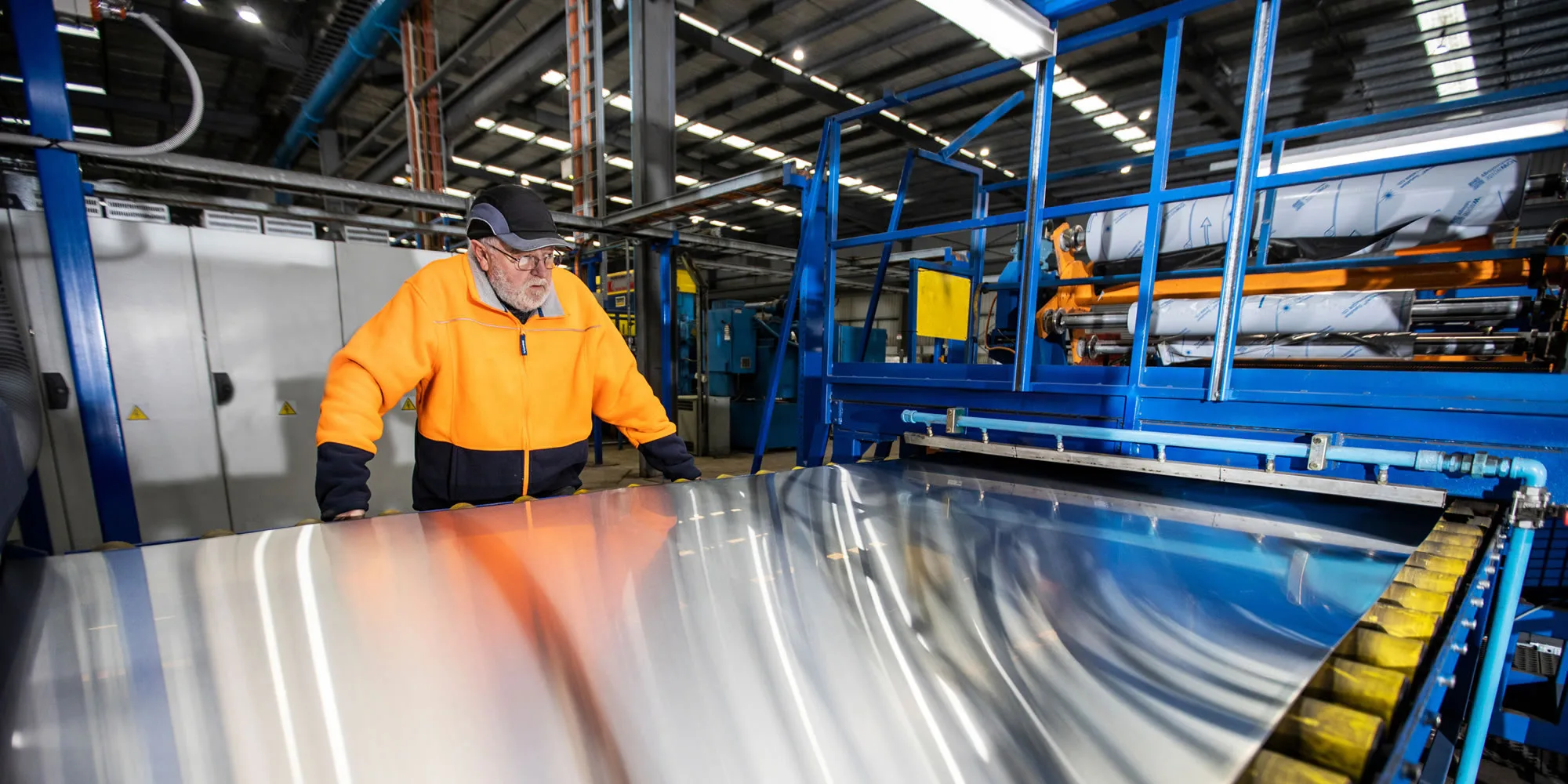
The third method worth understanding is laser cutting. A laser focuses a high-power beam onto the material, melting and vaporising a very narrow line. For thin to medium sheet metal, sheet metal laser cutting produces the cleanest edges and tightest tolerances of the three methods, often with no secondary finishing required.
Laser excels on thin sheet, typically up to around 20mm, where it’s fast, precise, and ideal for detailed or intricate profiles. Its limitation is thickness. On a heavy plate, the laser struggles to penetrate, and that’s exactly where plasma takes over. Laser systems also carry a high purchase cost, which is reflected in the price of laser-cut work.
In practice, the three methods divide the work cleanly: laser for thin, detailed sheet; plasma for fast, cost-effective cutting of medium to thick conductive plate; and waterjet for heat-sensitive, non-conductive, or very thick material. For the bulk of stainless and steel plate fabrication, plasma sits in the sweet spot of capability and cost.
Choosing the Right Cutting Solution for Your Project
The right cutting solution depends on three questions: what material are you cutting, how thick is it, and how tight does the tolerance need to be?
If you’re cutting conductive metal, steel or stainless, at standard fabrication thicknesses, and you want fast turnaround at a sensible cost, plasma is almost always the right answer. It’s why plasma cutting systems dominate metal fabrication shops and steel processing facilities. The high-definition plasma systems used today close much of the historic edge-quality gap with waterjet, while keeping plasma’s speed and cost advantage.
If your part is heat-sensitive, made of a non-conductive material, extremely thick, or demands the tightest possible precision, waterjet is worth the additional cost. And if you’re cutting thin, detailed sheet metal where edge quality is everything, laser is the method to specify.
Midway Metals processes stainless steel plate using high-definition plasma cutting, with the capacity to cut from 2mm to 80mm in thickness. Combined with our stainless steel supply, that means you can source the material and have it cut to profile in one place, supplied as DXF-ready cut parts. Explore our full range of stainless steel processes or get in touch to discuss your project.
Frequently Asked Questions
What is the main difference between plasma and waterjet cutting?
The core difference is heat. Plasma cutting uses a high-temperature electrical arc to melt through conductive metal, making it fast and cost-effective. Waterjet cutting uses a high-pressure abrasive water stream that cuts without heat, so it can handle almost any material and holds tighter tolerances. Plasma suits fast, economical metal cutting; waterjet suits precision, heat-sensitive, and mixed-material work.
What is waterjet cutting used for?
Waterjet cutting is used where heat must be avoided or where the material isn’t conductive. Common applications include heat-sensitive metals like titanium, multi-layer or composite materials, and non-metals such as stone, glass and ceramic. It’s also chosen when very tight tolerances or very thick sections are required, since a water jet cutter can hold precise edges across a wide range of thicknesses.
Is plasma or waterjet cutting more cost-effective?
For conductive metals at standard thicknesses, plasma is significantly more cost-effective. Plasma operating costs sit at roughly $5 to $15 per hour, against around $20 to $30 per hour for waterjet, and plasma cuts faster on steel and stainless plate. Waterjet only becomes the better value when the job genuinely requires its precision, cold-cutting, or material versatility, which plasma can’t provide.
Can plasma cutting be used on stainless steel?
Yes. Plasma cutting works well on stainless steel because stainless steel is electrically conductive. High-definition plasma systems produce clean, sharp edges on stainless plate across a wide thickness range. Midway Metals cuts stainless steel from 2mm to 80mm thick using high-definition plasma, suited to fabrication, structural, and industrial applications.
How does laser cutting compare to plasma and waterjet?
Laser cutting offers the cleanest edges and tightest tolerances on thin to medium sheet metal, typically up to around 20mm, and is fast on those thicknesses. It struggles on heavy plate, where plasma is faster and more economical, and it can’t match the waterjet’s ability to cut non-conductive or heat-sensitive materials. Each method has a clear niche based on material and thickness.
Which Cutting Method Should You Choose?
Plasma vs waterjet cutting isn’t really a contest to find one winner. It’s a question of matching the method to the job. Waterjet brings precision, cold cutting, and material versatility, and it’s the right call for heat-sensitive, non-conductive, or very thick work. But for the everyday reality of metal fabrication, cutting conductive steel and stainless plate at standard thicknesses, plasma delivers the speed and cost efficiency that keeps projects on time and on budget.
For most stainless steel cutting in Australia, that makes plasma the sensible default. Modern high-definition plasma cutting narrows the old edge-quality gap while keeping the cost and speed advantages that have always made it the backbone of metal processing.
Midway Metals combines Australia’s largest plasma cut plate processing capacity with a national stainless steel supply, so you can source material and cut parts to profile in one place. To talk through the right cutting solution for your project, contact our team.